
Young Warriors Info

LOCATION:
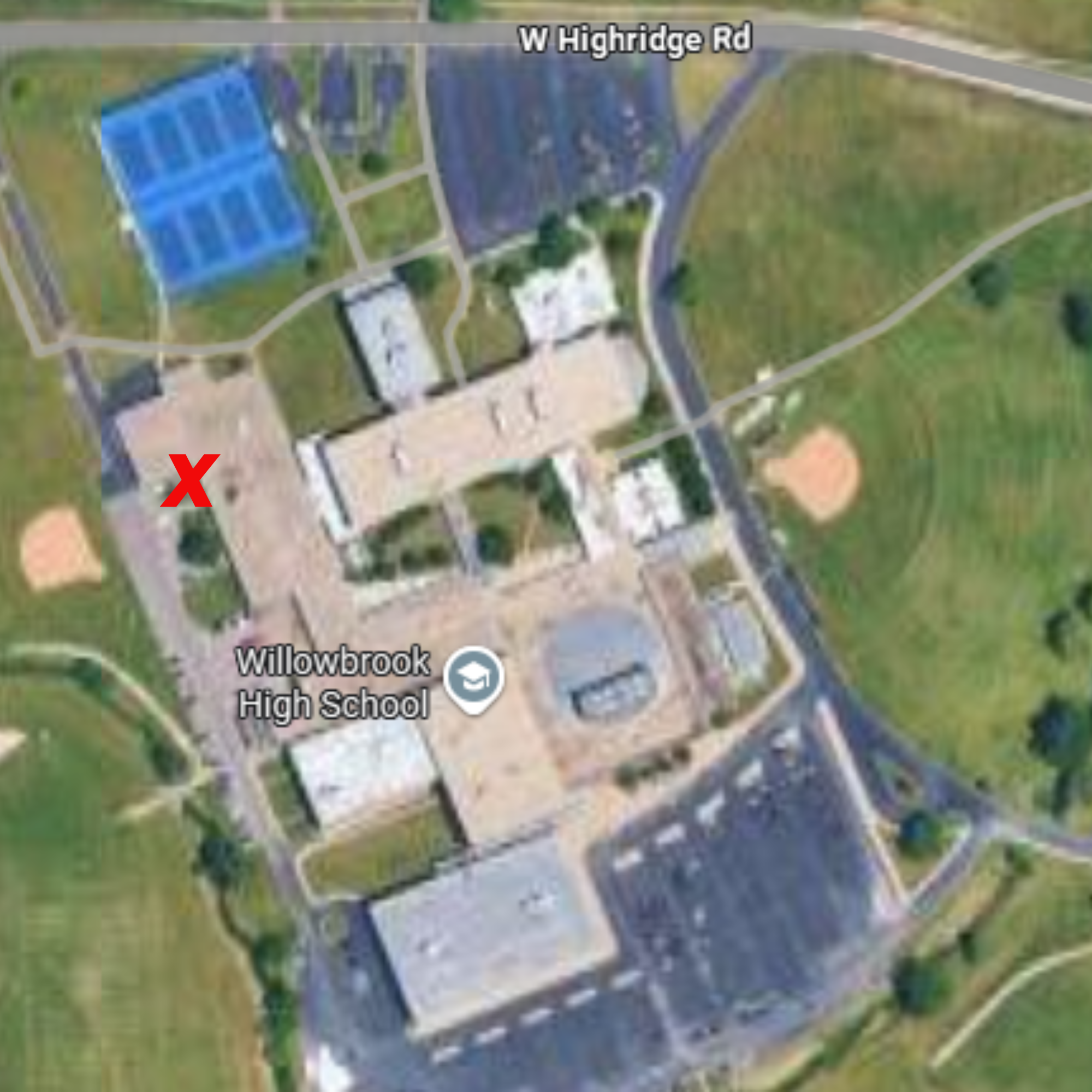
We have the privilege of practicing in Willowbrook's Varsity Wrestling room. This is located at 1250 Ardmore Ave. in Villa Park, IL. Use door #19 in the back of the building.
DATES:
*Parent meeting Monday, Nov 2nd at 6PM Willowbrook HS Wrestling Room - preferably use door 19 in the back of the school to get in. You can also enter the main front doors and walk all the way to the back.
*Our first practice is Wednesday, Nov. 4th 6:00 - 7:30 PM and our program will end middle of March.
Tournaments and Team Duals are available to those who wish to compete. Most of our tournaments are on Sundays starting in December and continue until the IKWF State Series begins in early March.
Our program ends whenever the IKWF State Championship ends usually middle of March.
Practices:
Mondays - Ages 6 & under.
Tues, Weds & Thurs - 6 and older.
Fridays & Saturdays - Advanced group, by request only.
Ages:
We have programs for wrestlers for K-8th grade, ages 3-14 boys & girls.
IKWF (Illinois Kids Wrestling Federation) Age Groups:
Senior (12-14yrs old)
Novice (10-12yrs old)
Intermediate (8-10yrs old)
Bantam (6-8yrs old)
Tot (6 & younger)
Costs:
$100 for Bantam through Senior
Price includes practice uniform, singlet and entry fee to IKWF State tournament series.
$60 for Tots
Price includes practice uniform, singlet and entry fee to IKWF State tournament series.
$60 - USA Wrestling Membership Card
This is a mandatory regulatory program for all wrestlers. *All participants must purchase USA Wrestling athlete membership. This card is needed for practice and to compete in tournaments.) Click below for more information on USA Wrestling Membership.
Equipment:
Wrestlers should purchase wrestling shoes. They are not require to have them right away. They can workout on the mat with their socks for their first practice.

The Three Common Asked Question's About Wrestling
#1. Is wrestling a safe sport for a young kid?
Yes....
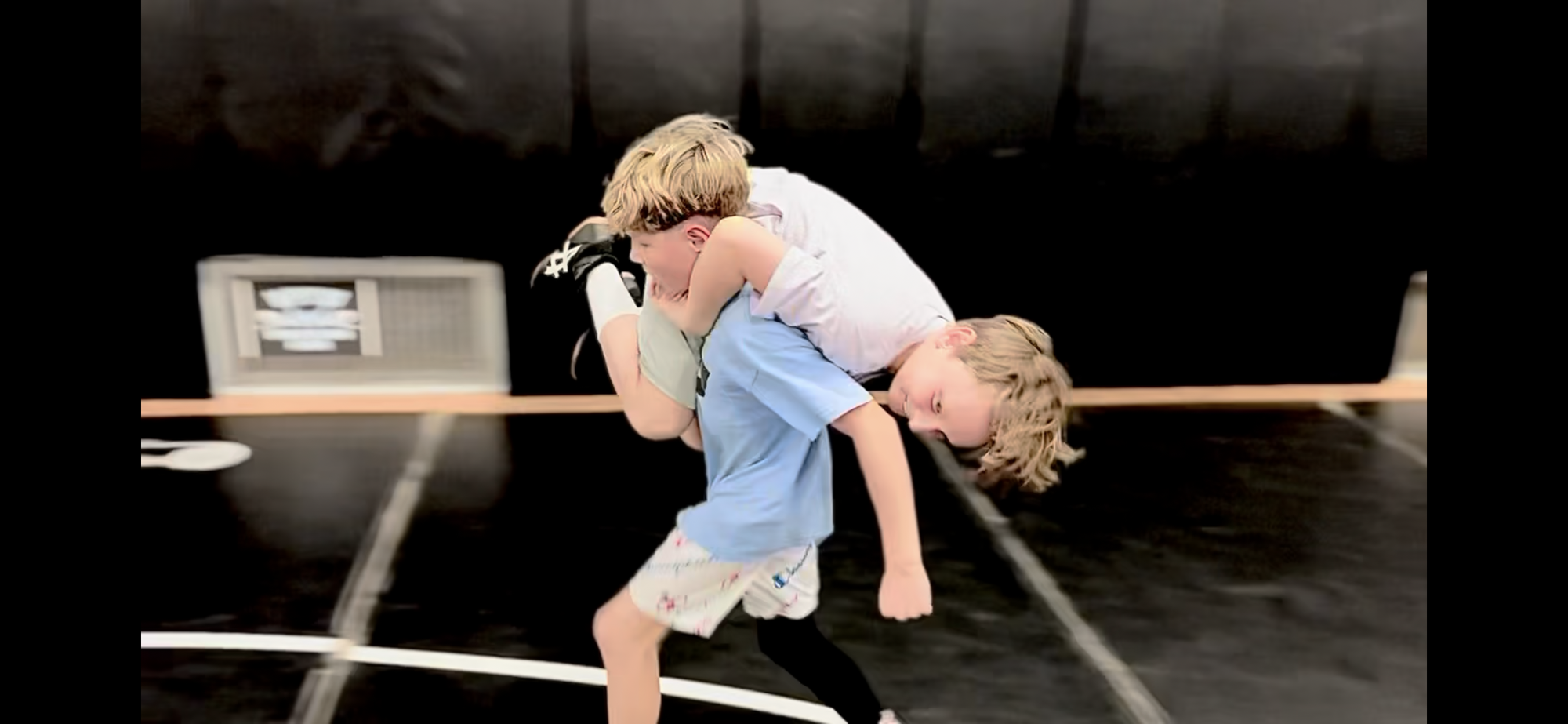
Wrestling is one of the safer contact sports a child can participate in. While no sport is completely free from the risk of injury, wrestling has a comprehensive set of rules and guidelines specifically designed to make it a safe and controlled contact sport.
There is absolutely no punching, hitting, biting, choking, or intentionally forcing an opponent’s limb against a joint allowed or tolerated in wrestling. These actions are strictly prohibited.
Our USA Wrestling officials are trained to recognize unsafe situations and will immediately stop any match if they believe an action could potentially cause harm. Our coaches follow the same standards during practice and will not allow any unsanctioned or dangerous activities to take place.
We also maintain a strong coach-to-wrestler presence during practices, with multiple coaches actively monitoring the wrestlers and each individual wrestling pair. This allows our coaches to provide instruction, maintain control, and quickly address any situation that may become unsafe.
Our goal is to teach children the fundamentals of wrestling in a safe, structured, and positive environment while helping them develop confidence, discipline, sportsmanship, and respect for their opponents.
Wrestling is a contact sport, but it is also one of the most highly regulated and structured sports a child can participate in. While no sport is completely free from the risk of injury, wrestling has a strict set of rules specifically designed to keep athletes safe and control the type of contact that takes place.
Along with educated coaches and trained officials, our program follows a strict ruleset built around athlete safety. There is absolutely no punching, hitting, biting, choking, or intentionally forcing an opponent’s limb against a joint allowed or tolerated. These actions are strictly prohibited.
USA Wrestling officials are trained to recognize unsafe situations and will immediately stop a match if they believe an action could potentially put an athlete at risk. Our coaches follow the same standards during practice and will not allow dangerous or unsanctioned activities to take place.
We also maintain multiple coaches on the mat during practices so that every pair of wrestlers can be closely supervised. This allows our coaches to provide instruction, correct technique, and immediately address anything that could become unsafe.
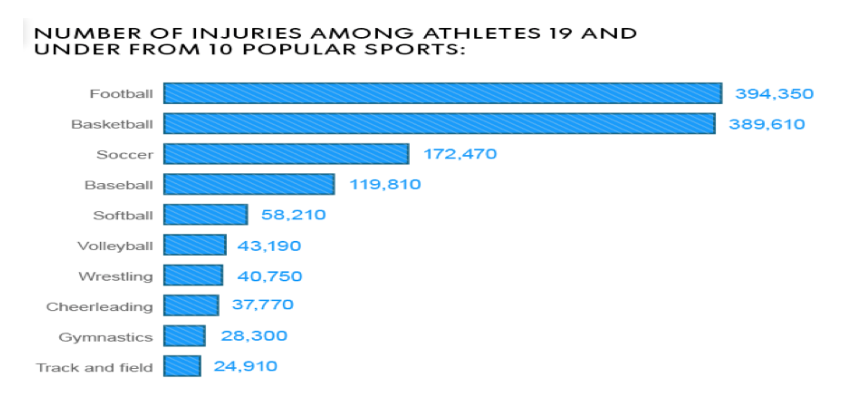
Research comparing youth and high school sports shows that injury rates vary significantly by sport. Studies have found that football has substantially higher overall injury rates than wrestling, while soccer, basketball, baseball, and softball also have documented injury risks.
Concussions are also a concern across many youth sports. Research has found particularly high concussion rates in sports such as football, soccer, ice hockey, and lacrosse. Wrestling does have a concussion risk as well, which is why proper technique, supervision, rule enforcement, and responsible coaching are so important.
Our goal is not to claim that wrestling is risk-free—it isn't. Our goal is to make sure parents understand that wrestling is a highly structured sport with trained coaches, trained officials, strict rules, and constant supervision designed to minimize unnecessary risk.
Most importantly, we want every child to learn wrestling in a safe, controlled, positive environment while developing confidence, discipline, toughness, sportsmanship, and respect for their teammates and opponents.
#2. Is wrestling inclusive to everyone
Yes...
Wrestling is one of the few sports that provides a place for nearly every child to compete. There are five different age categories and, depending on age, as many as 17 different weight classes for both boys and girls. This structure allows athletes to compete against others who are similar in both age and size, creating a more balanced and fair competitive environment.
Wrestling also brings together people from all social, economic, and cultural backgrounds. Because the sport requires relatively little equipment and can be accessible to families from all walks of life, kids from communities across the country have the opportunity to participate and compete.
That accessibility has helped make wrestling a powerful pathway for young athletes. Wrestling has one of the highest representations of first-generation college students among NCAA sports, demonstrating that the sport can open doors for athletes regardless of where they come from or what their circumstances may be.
In wrestling, your background doesn't determine your success—your work ethic does. It doesn't matter where you were born, what your family makes, or what school you attend. If you are willing to work, learn, struggle, and keep getting back up, you can succeed.
As legendary wrestler and coach Dan Gable has said:
“If you want your kids to be happy, healthy and successful then they must do hard things as a kid, such as wrestling.”
That philosophy captures what wrestling is all about. Wrestling teaches children that success isn't given to you—it is earned through hard work, perseverance, discipline, and the willingness to do things that challenge you.
Wrestling doesn't care where you come from. It only cares how hard you're willing to work.
That is why this idea has become a mantra for the sport: Do hard things.

#3. If your kids play football, should they wrestle?
Yes...
1. Wrestling teaches leverage and body position.
Football is a leverage game. Wrestling constantly teaches athletes to stay low, control their hips, maintain balance, and use leverage rather than simply relying on size and strength. USA Football emphasizes hip position, balance, and leverage as fundamental components of effective contact.
2. Wrestling directly improves tackling skills.
A wrestling takedown and a football tackle share many fundamental movements: proper stance, level change, footwork, hip position, hand placement, balance, and finishing through an opponent. USA Wrestling specifically highlights these crossover skills, and former NFL defensive lineman Tim Krumrie credits wrestling with teaching him the technique he used throughout his football career.
3. It develops hand fighting.
For offensive and defensive linemen, linebackers, defensive backs, and even receivers, controlling an opponent's hands is extremely important. Wrestling teaches athletes to fight for inside position, control an opponent's arms, hand-fight, and maintain position while an opponent is actively trying to do the same thing.
4. It builds balance and footwork.
Wrestlers are constantly moving, changing direction, defending attacks, and maintaining their balance while trying to take someone else off balance. Those skills translate directly to blocking, tackling, shedding blocks, and changing direction on the football field.
5. It develops explosive strength and conditioning.
Wrestling requires repeated short bursts of explosive movement while maintaining strength and technique under fatigue. USA Football identifies wrestling as a sport that develops strength, power, leverage, conditioning, endurance, hand technique, and the ability to remain explosive while maintaining a low center of gravity.
6. It teaches athletes to compete one-on-one.
Football is a team sport, but many plays ultimately come down to individual matchups. Wrestling puts an athlete in a situation where there is nowhere to hide—it's you against another athlete. USA Football describes wrestling as an environment that develops toughness, perseverance, determination, speed, agility, and competitiveness.
7. It develops mental toughness.
Wrestling teaches kids how to be uncomfortable, how to keep working when they're tired, how to respond when things aren't going their way, and how to take responsibility for their own performance. Those characteristics can be extremely valuable for football players.
8. It benefits every football position—not just linemen.
Linemen may have the most obvious crossover because of leverage, hand fighting, and body control, but wrestling can also benefit linebackers, running backs, defensive backs and receivers. USA Wrestling and USA Football both point to the benefits for skill-position players as well.
9. It can help athletes become better multisport athletes.
A 2026 study of NFL players found that those who participated in multiple sports during high school had fewer total and major injuries and longer NFL careers than athletes who specialized in a single sport. The benefits were particularly pronounced among running backs, wide receivers, defensive backs, and linebackers.